Septic Tank Cleaning & Pumping in Lakewood, CO — Protect Your Home & Drainfield
Same‑/Next‑Day Septic Tank Pumping in Lakewood — Serving Belmar, Green Mountain, Applewood, Union Square & the Denver Metro Since 1995
If your toilets are gurgling, drains are slow, or your yard smells like sewage, Casa Lake Plumbing provides fast, professional septic tank cleaning and pumping throughout Lakewood, Colorado. HomeAdvisor's 2025 data show that septic tank pumping typically costs between about $291 and $561, with most homeowners paying an average of $200–$1,250 depending on tank size and access. Tank‑size breakdowns indicate that a 1,000‑gallon tank usually costs roughly $325–$700 to pump, while larger 1,500‑gallon tanks often range from $450 to $1,100. With 120 skilled professionals and 10 fully loaded septic and drain service vans based near W Colfax Ave, Casa Lake Plumbing keeps your septic system flowing and protects your drainfield from damage.
Call +1 (720) 783‑200724/7 emergency septic backup & tank pumping response
- Local Lakewood, CO septic tank cleaning & pumping contractor serving Metro Denver since 1995
- 120 in‑house professionals and 10 fully equipped septic and plumbing service vans
- Scheduled maintenance pumping and emergency septic tank clean‑outs
- 24/7 emergency service for sewage backups, foul odors and saturated drainfields
Request Septic Tank Service
Fill out the form below and we'll contact you immediately!
Septic Tank Cleaning & Pumping for Homes Near Lakewood Parks, Shopping & Cultural Destinations
From Belmar & 40 West Arts District to Applewood & Green Mountain
Casa Lake Plumbing pumps and services septic tanks at homes and small properties throughout Lakewood — from more rural or edge‑of‑city homes near Bear Creek Lake Park and Green Mountain to neighborhoods around Belmar, Applewood and Lakewood Estates. While many properties within Lakewood proper connect to municipal sewer, homes on larger lots or in less densely developed areas may rely on their own septic systems, making regular pumping essential to prevent backups and protect nearby parks, open spaces and groundwater.
Lakewood Neighborhoods & Communities
Nearby Parks & Destinations
- Bear Creek Lake Park
- William F. Hayden Green Mountain Park
- Bear Creek Greenbelt
- Belmar Park
- Addenbrooke Park
- Kendrick Lake Park
- Crown Hill Park
Regional Coverage
Septic tank cleaning & pumping for homes in greater Jefferson County and surrounding Denver‑metro communities where on‑site systems are in use.
Lakewood's Septic Pumping Specialists — Not Just Basic Drain Cleaning
Full Septic Tank Pumping, Cleaning & Basic Maintenance, Done Right
Septic systems require more than plungers and drain cleaners — they need periodic tank pumping and basic inspections to avoid clogged drainfields and sewage backups. HomeAdvisor explains that septic pumping frequency and cost depend heavily on tank size, number of residents and wastewater volume, with 1,000‑gallon tanks typically costing about $325–$700 to pump and larger 1,500‑gallon tanks around $450–$1,100. Alpha Environmental's 2025 cost guide likewise notes that in some U.S. regions, septic tank pumping commonly ranges between about $300 and $600 for standard tanks, and that emergency or hard‑to‑access jobs can exceed $1,000. Casa Lake Plumbing focuses on safe, thorough tank cleaning, not just quick pump‑outs that leave solids behind. We also offer complementary services such as sewer camera inspection and hydro jetting for complete system care.
- Dedicated septic pumping crews using professional vacuum trucks and safety procedures
- Ability to locate, uncover and access septic lids and risers when needed
- Clear guidance on septic tank pumping intervals based on household size and tank capacity
- Basic visual inspections and maintenance recommendations to help extend drainfield life
Need Septic Tank Pumping?
Our septic specialists serve all of Lakewood and Jefferson County. Call now for same‑day or next‑day service.
Call (720) 783‑2007Related Services:
When Lakewood Homeowners Need Septic Tank Cleaning & Pumping
Signs You Need More Than Plungers or Chemical Drain Cleaners
As solids accumulate in your septic tank, they can reduce effective capacity and start pushing sludge toward the drainfield, leading to slow drains, odors and sewage backups. Tri‑County Pumps explains that septic tanks generally need pumping every about 3–5 years, and that going much longer can cause odor, drain clogs and backup issues inside the home. Valley Waste and similar providers state that typical pumping intervals fall in the roughly 3–5‑year range depending on tank size and how much wastewater and solids the household generates. Frasier's pump‑frequency guide offers a tank‑based rule of thumb: 1,000‑gallon tanks often need pumping about every 2.5 years, 1,500‑gallon tanks around every 4 years and 2,000‑gallon tanks roughly every 5 years. If you're also experiencing slow or clogged drains inside the home, that may indicate a related issue worth addressing alongside your septic service.
Overdue Pumping
It has been more than 3–5 years since your last septic tank pumping.
Slow Drains & Gurgling
Slow drains and gurgling toilets across the home, especially when multiple fixtures are affected at once.
Sewage Odors
Sewage odors inside or around the home, especially near the tank or drainfield area.
Soggy or Lush Grass
Wet, soggy or unusually lush grass over the drainfield or around the tank when it has not rained heavily.
Sewage Backups
Sewage backups into tubs, showers or toilets, indicating the system is overloaded or blocked. Also see: water damage restoration.
Who Our Septic Tank Cleaning & Pumping Service Is For
Homeowners, Landlords & Property Managers with On‑Site Septic Systems
Casa Lake Plumbing provides septic tank cleaning and pumping for primary residences, rentals and small properties that rely on on‑site septic systems rather than municipal sewer. Whether you recently bought a home with an unknown pumping history or are seeing warning signs of a full system, our team can help you get back on a regular maintenance schedule. We serve all Lakewood neighborhoods and surrounding communities in Jefferson County.
Homeowners
On septic systems in Lakewood fringe areas and surrounding communities who need scheduled or emergency pumping.
Landlords & Property Managers
Maintaining single‑family rentals with septic tanks — proactive pumping prevents tenant disruptions and emergency costs.
Buyers & Sellers
Addressing septic pumping and inspection requirements during real‑estate transactions for peace of mind.
Remodeling Homeowners
Planning bathroom remodels or additions who need current system capacity evaluated before increasing demand.
Rural & Semi‑Rural Properties
Homeowners across Jefferson County who want professional septic care, not "pump and run" services.
Lakewood, CO Conditions and Septic Tank Longevity
How Usage, Tank Size & Soil Conditions Affect Pumping Timelines
Septic system performance depends on household size, water usage, tank and drainfield design, and soil conditions. General pumping guidelines recommend inspecting septic tanks every about two years and pumping them typically every 2–5 years to prevent solids from reaching the drainfield. Valley Waste notes that most tanks need pumping approximately every 3–5 years, with higher‑occupancy homes and smaller tanks requiring more frequent service. Frasier's tank‑size chart highlights that 1,000‑gallon tanks serving average households may need pumping roughly every 2.5 years, while 1,500‑ and 2,000‑gallon tanks can often go around 4–5 years between pump‑outs under typical use. Complementary services like sewer camera inspection can help evaluate your system's condition between pump‑outs.
Usage & Environment Factors
-
Household Size
More people produce more wastewater and solids, shortening the time between pump‑outs.
-
Water Use Habits
High laundry and long showers add wastewater volume, increasing hydraulic load on the system.
-
Garbage Disposal Use
Heavy disposal use puts more solids into the tank, requiring more frequent pumping. See also: garbage disposal repair.
-
Soil & Drainfield Conditions
Poorly draining soils or stressed drainfields may need closer monitoring and more frequent maintenance.
Quick Pumping Guide
- 750 gal≈3–4 years
- 1,000 gal≈2.5–3.5 years
- 1,500 gal≈4 years
- 2,000 gal≈5 years
Frequency adjusted for household size and usage. Call us to determine the right schedule for your system.
Call (720) 783‑2007How Tank Size, Household Size & Usage Affect Septic Tank Cleaning & Pumping in Lakewood, CO
Choose the Right Pumping Interval for Your Septic System
Septic tank pumping frequency depends on tank volume, number of occupants and daily usage. HomeAdvisor's cost guide lists typical tank sizes from 750 to 2,000 gallons, with pumping costs rising as tank size increases. Pump‑frequency guides suggest that 1,000‑gallon tanks in average‑sized households should typically be pumped about every 2.5 years, 1,500‑gallon tanks around every 4 years and 2,000‑gallon tanks roughly every 5 years. General septic resources recommend a broad pumping interval of about every 3–5 years for most systems, adjusted for usage. Pair your pumping with a sewer camera inspection for a complete picture of your system's health.
| Septic Tank Size | Typical Pumping Cost (Examples)* | Typical Pumping Frequency (Examples)** |
|---|---|---|
| 750 gallons | ≈$250 – $550 | ≈3–4 years (light use) |
| 1,000 gallons | ≈$325 – $700 | ≈2.5–3.5 years |
| 1,500 gallons | ≈$450 – $1,100 | ≈4 years; often within 3–5‑year range |
| 2,000 gallons | ≈$550 – $1,250+ | ≈5 years; adjusted for larger households |
| * Actual pricing varies by access, local rates and tank condition. ** Frequency assumes typical households; larger families or heavy use may require pumping more often. | ||
Many septic pros recommend pumping every about 3–5 years as a general starting point for most systems.
New homeowners unsure of last pumping date should schedule an inspection and likely a pump‑out to establish a fresh baseline. Contact us to get started.
Our 6‑Step Septic Tank Cleaning & Pumping Process in Lakewood, CO
From Scheduling to a Clean, Healthy Septic System
Septic System Review & Quote
We talk through your septic history, number of occupants, prior pumping dates and any current issues (slow drains, odors, pooling water). Based on tank size, access and symptoms, we provide a clear estimate, drawing on typical cost ranges of about $291–$561 and total possible ranges of roughly $200–$1,250 for pumping depending on tank size and conditions. We can also assess whether a sewer camera inspection is warranted.
Locate & Access the Septic Tank
Our technicians locate your tank and uncover lids or risers if necessary. If your tank lacks risers for easy access, we can recommend adding them, which helps reduce future labor costs and disturbance to your property.
Pumping & Solid Waste Removal
We use professional vacuum equipment to remove liquids, sludge and floating scum from your septic tank, ensuring a thorough clean rather than partial pumping. Cost guides emphasize that tank size, volume to remove and access difficulty are key cost drivers in pumping services.
Basic Inspection & Condition Check
With the tank pumped down, we visually inspect accessible components such as baffles, inlet and outlet tees, and check for signs of structural issues, root intrusion or high sludge accumulation. Septic maintenance resources recommend having a pro assess sludge level and tank condition regularly. If issues are found, our sewer line repair team can help.
System Reset, Site Cleanup & Recommendations
We close all lids, clean up around the work area and verify that your system is ready for use. We provide observations on tank condition, suspected pumping interval and any issues that may need further attention (like drainfield saturation or plumbing adjustments).
Ongoing Maintenance Plan & Reminder Options
Finally, we help you set a maintenance schedule based on tank size and occupancy — often around 3–5 years between pump‑outs — and can provide reminder options so your septic tank pumping does not fall off the radar.
What's Included in Our Lakewood Septic Tank Cleaning & Pumping Service
From First Call to a Documented Pump‑Out
Casa Lake Plumbing's septic tank service is designed as a complete package, giving you confidence that your system has been properly pumped and checked, not just partially emptied. Our full range of plumbing and drain services means we can address any related issues found during the visit.
Septic History Review
Review of septic history, reported issues and household size to estimate pumping needs accurately.
Tank Location & Access
Locating septic tank and uncovering lids or risers for proper access to all tank compartments.
Complete Pumping & Cleaning
Complete septic tank pumping and cleaning using professional vacuum equipment — scum, liquid and sludge all removed.
Basic Visual Inspection
Basic visual inspection of tank condition, sludge level, baffles and in/outlet structures while tank is accessible.
Site Cleanup & Lid Sealing
Site cleanup and lid resealing or secure closure after service — your property left clean and safe.
Maintenance Recommendations
Maintenance recommendations and suggested pumping interval based on tank size and usage for ongoing system health.
Lakewood's Trusted Septic Tank Cleaning & Pumping Team
Local Experience, Proper Equipment & 24/7 Emergency Support
When you compare septic contractors in Lakewood, Casa Lake Plumbing stands out for combining plumbing expertise with dedicated septic pumping equipment and scheduling. HomeAdvisor's 2025 guide places typical septic tank pumping in a $291–$561 range, with many homeowners paying between $250 for small tanks and at least $700 for large tanks. Wilson Services' 2025 analysis notes that standard pumping jobs often cost between about $350 and $600, while Thumbtack's national figures show typical ranges between $484 and $1,479, with many people paying around $847. Having a trusted provider like Casa Lake Plumbing makes it easier to handle this routine but critical maintenance work. Our team also handles related needs including sewer line repair, drain cleaning and water leak detection.
30+ Years Serving Lakewood
Trusted since 1995 across Lakewood, Jefferson County & Metro Denver with septic, drain and plumbing services.
120 In‑House Professionals
120 skilled professionals and 10 fully equipped septic and plumbing service vans ready for your job.
Trained & Certified
Technicians trained in safe tank access, confined space precautions and environmental best practices.
24/7 Emergency Support
Round‑the‑clock support for backups, nasty odors and saturated drainfields — no waiting until business hours.
Clear, Current Pricing
Pricing aligned with current 2025–2026 septic pumping cost ranges — no surprises on your bill.
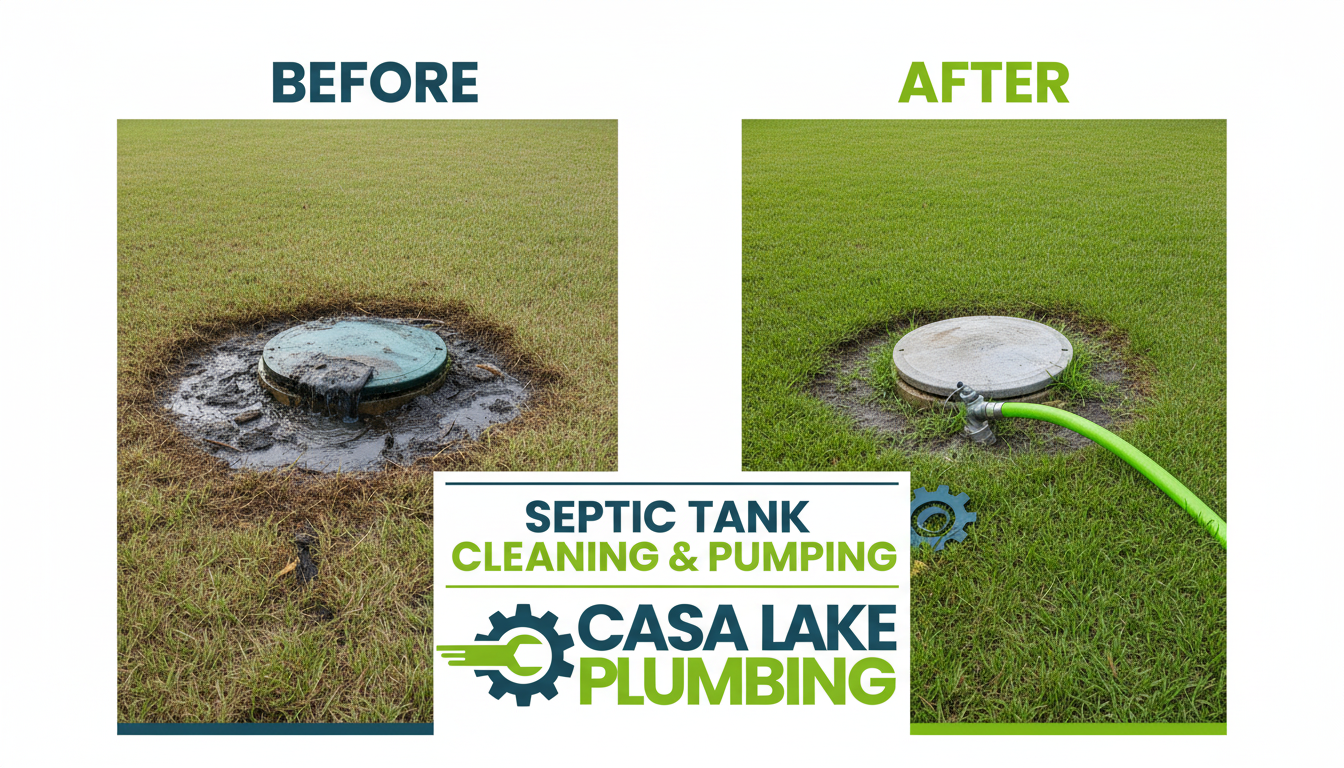
Before & After Septic Tank Pump‑Outs in Lakewood, CO
See How Regular Pumping Protects Your Home & Yard
Our before‑and‑after septic projects show homes going from gurgling drains, foul odors and soggy drainfields to normal drainage and odor‑free yards after proper tank pumping. Septic maintenance providers emphasize that routine pumping every 3–5 years significantly reduces the risk of sewage backups, drainfield failure and costly repairs that can run into the thousands of dollars. Proper pumping also extends the life of the drainfield by preventing solids from clogging soil pores. For related restoration needs, see our water damage restoration service.
Chronic Slow Drains & Odors Resolved
Homes with persistent slow drains and odors returning to normal after overdue tank pumping — no more gurgling toilets or slow sinks.
Standing Water Eliminated
Backyards with standing water around the septic area drying out once an overloaded tank is emptied and issues addressed.
New Homeowner Peace of Mind
New homeowners gaining confidence by starting ownership with a cleaned, inspected septic system and clear schedule for the next pump‑out.
Landlord Proactive Maintenance
Landlords avoiding tenant disruptions and emergency costs by keeping septic on a proactive maintenance plan.
Septic Tank Cleaning & Pumping Equipment and Methods in Lakewood
Proper Techniques for Safe, Thorough Septic Maintenance
Casa Lake Plumbing uses professional‑grade vacuum trucks, hoses and safety gear to pump and clean septic tanks in Lakewood. Cost guides and industry resources highlight that proper equipment and technique ensure all layers — scum, liquid and sludge — are removed, rather than only the clear effluent, which could leave solids behind and reduce the value of pumping. Technicians also follow odor‑control and environmental best practices to protect your property and neighbors. For deeper pipe issues discovered during pumping, we offer hydro jetting and sewer camera inspection to evaluate your full system.
- Vacuum trucks sized for residential driveways, with enough capacity for standard tank volumes
- Hoses and tools to reach tanks in backyards or other set‑back locations
- Safe lid removal and reinforcement, with recommendations for adding risers for easier future access
- Basic inspection while the tank is open to look for cracks, root infiltration or baffle issues
- Proper waste disposal practices consistent with local regulations and environmental guidelines
Our Septic Equipment
- Professional vacuum trucks
- Extended‑reach hoses & tools
- Confined space safety gear
- Camera inspection capability
- Hydro jetting equipment
Regular Septic Tank Cleaning & Pumping vs Emergency‑Only Service in Lakewood
Understand Preventive Maintenance vs Crisis Response
Some homeowners postpone septic maintenance until drains slow or sewage backs up, but this "emergency only" approach can lead to costly damage to the drainfield and home. Septic maintenance guides recommend pumping tanks about every 3–5 years, or even more frequently depending on tank size and household occupancy, rather than waiting for obvious problems. Backups, standing water and strong odors are often signs that sludge has already encroached on the drainfield, which may require more extensive repairs or replacement if ignored. If you're facing an active backup, our water damage restoration team is also available 24/7.
| Option | What It Is | Key Pros | Key Cons |
|---|---|---|---|
| Regular Septic Pumping | Pumping tank on 2–5‑year schedule | Lower risk of backups; protects drainfield; predictable cost | Requires planning and maintenance mindset; recurring service every few years |
| Emergency‑Only Pumping | Waiting until backups or severe odors occur | Deferred upfront cost; handled only when clearly needed | Higher risk of drainfield damage; emergency fees; more stressful; possible property damage |
When Proactive Pumping Is Strongly Recommended
- You cannot confirm when the septic tank was last pumped (common in recent home purchases)
- Household size has increased, or usage patterns have changed (e.g., remote work, extended stays)
- You notice early warning signs like slow drains, minor odors or unusually lush grass over the drainfield
- Your tank is older or smaller relative to household size, increasing risk of rapid fill
Estimate Your Septic Tank Cleaning & Pumping Cost in Lakewood, CO
From Small Septic Tanks to Large, Multi‑Household Systems
Lakewood homeowners often want a clear cost range before scheduling septic tank pumping. HomeAdvisor's 2025 data show a typical septic pumping range of about $291–$561, with projects as low as roughly $200 and as high as about $1,250 based largely on tank size and access. Tank size tables from the same guide indicate that 750‑gallon tanks usually cost about $250–$550, 1,000‑gallon tanks about $325–$700, 1,250‑gallon tanks about $375–$900, 1,500‑gallon tanks about $450–$1,100, and 1,750‑gallon tanks about $550–$1,250, with tanks of 2,000 gallons and larger typically costing $700 or more. Other 2025–2026 estimates report standard pumping ranges of around $350–$600, with national averages in some markets near $847 and emergency or complex jobs sometimes exceeding $1,000. Contact us for your specific estimate.
Tank Size & Volume
Septic tank size and actual volume of waste to remove — larger tanks cost more to pump.
Access Difficulty
Access difficulty, including digging, lid location and distance from driveway or truck parking.
Frequency & Tank Condition
Frequency of pumping and current tank condition — heavily overloaded tanks may take longer to service.
Additional Work Needed
Need for lid/riser installation or repair and any basic maintenance performed during the visit.
Scheduling & Timing
Local labor rates and whether the call is scheduled or an after‑hours/emergency response.
| Metric | Typical Range (Examples)* |
|---|---|
| Small tank pumping (≈750 gallons) | ≈$250 – $550 |
| Standard 1,000‑gallon tank pumping | ≈$325 – $700 |
| Larger 1,500‑gallon tank pumping | ≈$450 – $1,100 |
| Overall project range (many homes) | ≈$291 – $561 typical; ≈$200 – $1,250 possible |
| *Casa Lake Plumbing provides a specific, written estimate after confirming your tank size, location and access. | |
Who Needs Septic Tank Cleaning & Pumping vs Waiting in Lakewood?
When Pumping Now Is the Right Call
Casa Lake Plumbing recommends septic tank pumping on a preventive schedule, not just when visible problems occur. Septic experts widely recommend pumping at least every 3–5 years for most households, and sometimes more often depending on tank size and occupancy. Tri‑County Pumps warns that leaving a septic tank unpumped for many years can result in strong odors, clogged drains and eventual sewage backups, which are far more expensive and disruptive than scheduled maintenance. For homes already experiencing backups, we pair septic services with drain cleaning and sewer camera inspection to identify the root cause.
Overdue by 3–5+ Years
Homes where it has been more than 3–5 years since the last septic tank pumping, or no record exists at all.
Recurring Slow Drains
Properties with recurring slow drains or gurgling sounds that persist even after clearing interior plumbing clogs.
Drainfield Warning Signs
Yards showing wet spots, pooling water or unusually lush grass over the drainfield that are not due to rain.
Sewage Odors Present
Homes with noticeable sewage odors in the yard, near the tank, or coming from drains and toilets.
New Homeowners
New homeowners with septic systems who want a clean, inspected tank and a fresh maintenance schedule from day one.
Benefits of Professional Septic Tank Cleaning & Pumping in Lakewood, CO
More Than Price — System Health, Safety & Long‑Term Savings
Professional septic tank pumping does more than empty the tank — it helps prevent backups, protects the drainfield, and allows trained technicians to catch early warning signs before they become expensive failures. Septic maintenance guides note that regular pumping every 2–5 years is far cheaper than repairing or replacing a failed drainfield, which can cost several thousands of dollars or more. Providers also emphasize the health benefits of avoiding sewage backups and standing wastewater on the property. Casa Lake Plumbing's experienced team ensures every pump‑out is thorough, documented and paired with actionable maintenance advice.
Reduces Backup Risk
Reduces the risk of sewage backups, slow drains and foul odors in the home and yard.
Protects the Drainfield
Protects the drainfield by keeping solids and sludge from clogging the soil and pipes.
Early Problem Detection
Allows early detection of tank or component damage, root intrusion or structural issues via visual inspection.
Documented Maintenance
Provides a documented pumping date and maintenance schedule for future planning or resale.
Safe & Compliant Disposal
Ensures waste is handled and disposed of safely and in compliance with local regulations.
Safety Alert: Don't Enter or DIY Pump a Septic Tank
Toxic Gases, Confined Space & Environmental Risks Require Professionals
Septic tanks contain toxic gases (such as hydrogen sulfide and methane), disease‑causing organisms and can quickly become oxygen‑deficient, making them extremely dangerous confined spaces. Septic and environmental health resources warn that no one should enter a septic tank or attempt makeshift pumping using shop vacs or improvised equipment, as this can result in serious injury, death or environmental contamination. Professional septic contractors use specialized vacuum trucks, gas‑monitoring procedures and safety protocols to manage these risks. If you suspect a septic issue, let our trained professionals handle it safely.
- Never climb into or lean down into a septic tank — fatal accidents have occurred due to toxic gases and lack of oxygen
- Avoid using chemical drain cleaners with septic systems — they can harm beneficial bacteria and damage tanks and drainfields
- Keep tank lids secure and inaccessible to children and pets
- Call a professional immediately if you notice sewage backup, strong odors or pooling wastewater
Septic Tank Cleaning & Pumping FAQs for Lakewood, CO Homeowners
Answers About Cost, Frequency, Warning Signs & Maintenance
HomeAdvisor reports that septic tank pumping typically costs between about $291 and $561, with a broader range of roughly $200–$1,250 depending on tank size and access, and size‑based averages such as $325–$700 for 1,000‑gallon tanks and $450–$1,100 for 1,500‑gallon tanks. Wilson Services' 2025 guide suggests that most homeowners should expect to pay between about $350 and $600 for standard septic pumping, while Thumbtack's national data show many jobs falling in the approximately $484–$1,479 range, with typical averages around $847. Contact Casa Lake Plumbing for a specific estimate based on your tank.
Tri‑County Pumps and other maintenance providers recommend pumping most tanks about every 3–5 years, depending on usage. Frasier's size‑based guidelines suggest that 1,000‑gallon tanks should be pumped roughly every 2.5 years, 1,500‑gallon tanks around every 4 years and 2,000‑gallon tanks about every 5 years. General rules of thumb advise inspecting systems every two years and scheduling pumping within about a 2–5‑year window based on household size and wastewater volume.
Common warning signs include slow drains throughout the home, gurgling toilets, foul odors near drains or in the yard, sewage backups in tubs or toilets, and pooling or unusually lush grass over the drainfield. If it has been more than 3–5 years since your last pumping, it is generally wise to schedule service even if symptoms are mild.
Septic experts caution against frequent use of chemical drain cleaners because they can disrupt the bacterial balance in the tank and damage the system, masking underlying issues rather than addressing the need for pumping. Mechanical cleaning methods like professional drain cleaning and proper septic maintenance are safer and more effective in the long term.
Yes. Casa Lake Plumbing provides 24/7 emergency septic tank pumping and service across Lakewood and surrounding areas for sewage backups, severe odors, standing wastewater and other urgent septic issues. Call us anytime at (720) 783‑2007.
Our Lakewood Septic Tank Cleaning & Pumping Guarantee
Your Septic System, Backed by Experienced Technicians & Reliable Scheduling
Casa Lake Plumbing stands behind every septic tank cleaning and pumping service in Lakewood, CO with experienced technicians, professional equipment and a commitment to honest scheduling and maintenance advice. When you invest in septic pumping, we make sure your money goes into thorough cleaning, clear recommendations and a maintenance plan that helps prevent backups and protect your drainfield — not just a quick "pump and go" visit.
Since 1995, homeowners across Lakewood and the Denver metropolitan area — from Belmar and Applewood to Green Mountain, Solterra and Union Square — have trusted Casa Lake Plumbing to keep their septic tanks clean and their homes free from sewage backups.
Request septic service at emergencyplumbinglakewood.com or email casalakeplumbing@gmail.com to schedule your appointment.
Septic Tank Cleaning & Pumping Service Areas in Lakewood & Metro Denver
Casa Lake Plumbing provides septic tank cleaning and pumping throughout Lakewood, Jefferson County and the surrounding Denver metropolitan area. Our 10 fully equipped service vans based near W Colfax Ave ensure fast response times whether you're in Belmar, Green Mountain, Golden or anywhere in between.
Cities We Serve Near Lakewood, CO
We Serve All Lakewood, CO Neighborhoods
Schedule Your Septic Tank Cleaning & Pumping Service in Lakewood
Need septic tank pumping in Lakewood, CO? Our 120 skilled professionals are standing by 24/7. If you can't find the information you're looking for about our plumbing and septic services, please reach out and we'll walk you through your options.
Contact Our Lakewood Septic & Plumbing Team
(720) 783‑2007
casalakeplumbing@gmail.com
6451 W Colfax Ave Unit A
Lakewood, CO 80226
24/7 Emergency Service Available